
Leading Waterproofing Products for Reliable Protection
Discover the top waterproofing solutions designed to keep your structures dry and protected against moisture and leaks.
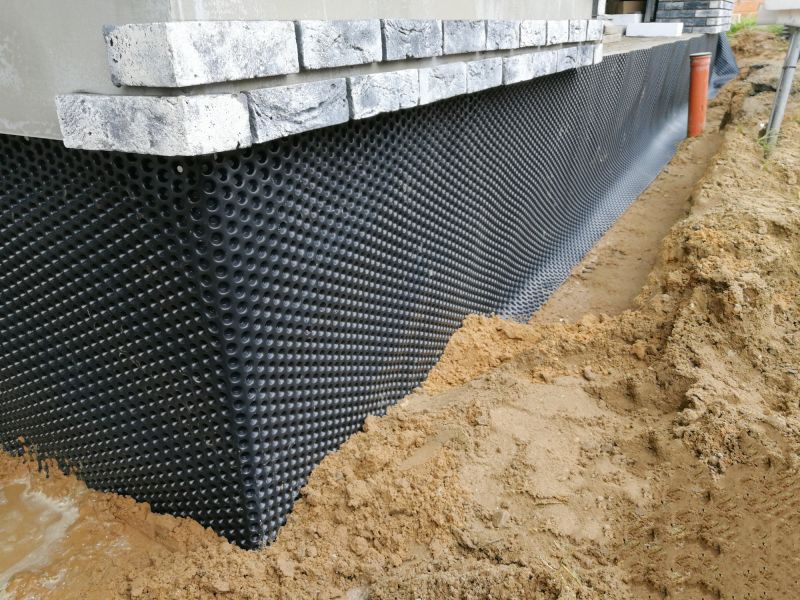 When it comes to protecting structures from water intrusion, selecting the right waterproofing products is essential. These products are designed to create a barrier against moisture, preventing damage to foundations, basements, roofs, and other vulnerable areas. Waterproofing solutions come in various forms, including sealants, membranes, coatings, and tapes, each suited for specific applications and surfaces. Proper application and choice of the right product can extend the lifespan of a building and reduce maintenance costs over time.
Top Overall Option
High-Performance Liquid Waterproofing Membrane
A versatile liquid membrane that provides seamless, flexible, and durable waterproofing coverage for a variety of surfaces. It is suitable for both new constructions and repairs, offering ease of application and reliable protection against water infiltration.
Types of Products For Waterproofings
Liquid-Applied Waterproofing Membranes
Flexible coatings that are brushed or sprayed onto surfaces to create a seamless water barrier, ideal for roofs and foundations.
Sheet Membranes
Preformed sheets made from rubber, bituminous materials, or other polymers, used for foundation and basement waterproofing.
Bituminous Coatings
Tar-like coatings that provide a thick, protective layer suitable for below-grade applications.
Elastomeric Coatings
Flexible coatings that expand and contract with the surface, ideal for roofs and exterior walls.
Acrylic Coatings
Water-based coatings that offer UV resistance and are easy to apply over existing surfaces.
Polyurethane Sealants
High-adhesion sealants used to fill cracks and joints, preventing water ingress.
Bituminous Tapes
Self-adhesive tapes used for sealing seams, joints, and cracks on various surfaces.
Crystalline Waterproofing
Chemical treatments that penetrate concrete to form a water-resistant crystalline barrier.
Cementitious Waterproofing
Mixable waterproof coatings suitable for basement walls and water tanks.
Hydrophobic Sealants
Silicone-based sealants that repel water and are used on stone, brick, and concrete surfaces.
Spray-On Waterproof Coatings
Sprayed or rolled coatings that conform to complex surfaces for comprehensive coverage.
Waterproofing Paints
Specialized paints designed to add a water-resistant layer to walls and ceilings.
Waterproofing Collars and Flanges
Components used to seal around pipes and penetrations in waterproofed surfaces.
Waterproofing Additives
Chemical additives mixed into concrete or mortar to enhance water resistance.
Waterproofing Membrane Sheets
Flexible sheets installed beneath slabs or over surfaces to prevent water penetration.
Waterproofing Sealant Tapes
Adhesive tapes designed for quick sealing of joints and cracks.
Polyurea Coatings
Fast-curing, highly durable coatings suitable for industrial waterproofing applications.
Popular Choices
Widely used for roof and basement applications, offering seamless coverage and flexibility.
Commonly selected for below-grade waterproofing due to their durability and protective qualities.
Popular for maintaining roof integrity and water resistance in various climates.
Trusted for sealing joints, cracks, and penetrations in a variety of construction projects.
Convenient for quick repairs and sealing around pipes and corners.
Chosen for concrete structures requiring long-term water resistance.
Often used in basements and water tanks for its ease of application and compatibility with concrete surfaces.
Popular for exterior walls due to their UV resistance and ease of maintenance.
Favored for complex or irregular surfaces requiring comprehensive waterproof coverage.
Applied on walls and ceilings to add an extra layer of water resistance.
Used on natural stone and masonry to repel water and prevent staining.
Mixed into concrete or mortar to improve water resistance during construction.
Installed beneath slabs or over surfaces for reliable water barrier protection.
Selected for industrial and high-performance waterproofing needs due to their rapid curing and durability.
Understanding the different types of waterproofing materials is crucial for making an informed decision. Liquid-applied membranes offer seamless coverage and flexibility, making them ideal for irregular surfaces or areas prone to movement. Sheet membranes, often made from rubber or bituminous materials, provide durable, long-lasting protection and are commonly used in foundation waterproofing. Coatings, such as elastomeric or acrylic-based products, can be applied over existing surfaces to reinforce water resistance. Additionally, specialized tapes and sealants are effective for sealing joints, cracks, and seams, ensuring comprehensive waterproofing coverage.
Proper surface preparation is vital for optimal results. Surfaces should be clean, dry, and free of debris before applying waterproofing products. It is also important to consider the climate and environmental conditions of the area, as some products perform better in certain temperatures or humidity levels. Regular inspection and maintenance of waterproofed areas can help identify potential issues early, ensuring continued protection against water damage.
Choosing the right waterproofing product involves evaluating the specific requirements of your project, including the surface type, exposure conditions, and desired longevity. Consulting with professionals or experienced suppliers can provide valuable insights into the most suitable solutions for your needs. Investing in quality waterproofing materials can significantly contribute to the durability and safety of your property, especially in regions prone to heavy rainfall or high humidity, such as Silver Spring, MD.
Key Buying Considerations
- Identify the specific area or surface that requires waterproofing to select the most appropriate product type.
- Consider the environmental conditions such as temperature, humidity, and exposure to UV rays, which can influence product performance.
- Evaluate the compatibility of the waterproofing material with existing surfaces or materials.
- Determine whether a seamless membrane or sealant is better suited for your project needs.
- Review the ease of application, including whether the product can be rolled, brushed, sprayed, or applied with a trowel.
- Assess the drying and curing times to ensure the product fits within your project timeline.
- Check for flexibility and elongation properties if the surface is prone to movement or cracking.
- Consider durability and longevity expectations based on the location and exposure conditions.
- Look into maintenance requirements for the waterproofing solution to ensure long-term effectiveness.
- Verify if the product is suitable for below-grade, above-grade, or roof applications as needed.
- Review safety data sheets and handling instructions for proper application and safety precautions.
- Consider the cost and whether it aligns with your project budget while meeting quality standards.
- Determine if the product is compatible with other waterproofing or building materials used in your project.
- Research user reviews or seek professional advice to gauge real-world performance and satisfaction.
- Ensure the product complies with local building codes and regulations relevant to your location.